
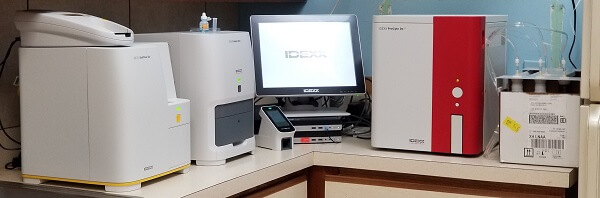
Laboratory testing provides important information that cannot always be obtained through a physical examination alone. Blood, urine, fecal, and other samples can help us investigate illness, establish healthy baseline values, assess anesthetic risk, and monitor changes in a patient’s condition over time.
At Jog Lantana Animal Clinic, laboratory testing is selected according to each patient’s age, symptoms, medical history, medications, physical examination findings, and reason for testing. Dr. Miriam Delbene interprets the results together with the complete clinical picture rather than relying on an isolated number.
Prevention Is the Key
Pets cannot always show us when a health problem is beginning. Preventive laboratory screening may identify subtle changes before obvious symptoms develop, when there may be more opportunities to monitor the condition, make thoughtful adjustments, or begin treatment early.
Our intention is to help prevent avoidable illness so pets and their families can enjoy a long, healthy life together. For this reason, JLAC offers specially priced preventive laboratory packages at affordable prices. These packages make it easier to include meaningful laboratory screening as part of your pet’s regular preventive care.
Preventive packages are selected according to the patient’s age, species, medical history, and individual risk factors. Most of these comprehensive screening packages are submitted to the IDEXX reference laboratory.
When May Laboratory Testing Be Recommended?
Laboratory testing may be appropriate when your dog or cat:
- Needs routine preventive or age-appropriate health screening
- Is vomiting, experiencing diarrhea, coughing, or showing changes in urination
- Is eating or drinking more or less than usual
- Has decreased energy, weakness, pain, fever, or unusual behavior
- Has unexplained weight loss or weight gain
- Has pale gums, abdominal discomfort, swelling, or other concerning findings
- Requires evaluation before anesthesia or surgery
- Is receiving long-term medication
- Has a chronic medical condition that requires monitoring
Please do not wait for your pet’s next wellness visit if something does not seem right. Early examination and appropriately selected testing may help identify a developing concern before it becomes more difficult to manage.
In-House Laboratory Capabilities
Our IDEXX in-house laboratory equipment allows us to obtain important information during the visit when timely results may influence medical decisions. Depending on the individual patient’s needs, testing may include:
- Complete blood count to evaluate red blood cells, white blood cells, and platelets
- Blood chemistry testing to assess the liver, kidneys, proteins, glucose, and other metabolic indicators
- Electrolyte measurements
- Selected pancreatic testing
- Urinalysis
- Fecal and parasite examinations
- Heartworm and other targeted point-of-care testing
- Cytology of selected skin, ear, fluid, or mass samples when appropriate
The tests recommended—and whether they are completed in-house or submitted to the reference laboratory—depend on the medical question being investigated. Some results may be available during the visit, while others require additional processing.
Blood Screening
Blood testing can provide important information about blood-cell populations, organ function, hydration, blood sugar, electrolytes, inflammation, and other aspects of your pet’s health. It may be recommended for a sick patient, as part of a preventive laboratory package, before anesthesia, or to monitor a chronic condition or medication.
An abnormal result does not always establish a diagnosis, and a value within the laboratory reference interval does not necessarily exclude disease. Dr. Delbene interprets the results alongside your pet’s examination, history, symptoms, previous laboratory values, and response to treatment.
Complete Urinalysis
A complete urinalysis provides information about urine concentration and may detect blood, protein, glucose, crystals, inflammatory cells, bacteria, and other abnormalities. It can be an important part of evaluating urinary symptoms, kidney function, diabetes, hydration, and certain systemic illnesses.
The collection method can affect how a urine sample is interpreted. Our team will explain whether a fresh sample may be brought from home or whether collection at the clinic is more appropriate for the testing your pet needs. Additional testing, such as a urine culture, may be recommended when infection is suspected.
Our Partnership with IDEXX
Jog Lantana Animal Clinic works exclusively with IDEXX for our in-house laboratory equipment and veterinary reference laboratory services. This continuity allows us to combine in-clinic testing with comprehensive external laboratory services when broader or more specialized information is needed.
Many of our preventive laboratory packages are submitted to the IDEXX reference laboratory and may combine several important tests at a more affordable package price than ordering each component separately. The specific package recommended will depend on your pet’s age, health history, and individual medical needs.
Reference laboratory services may include comprehensive blood and urine screening, fecal and parasite testing, cultures, endocrine testing, infectious-disease testing, pathology, histopathology, and other specialized diagnostics.
Turnaround time varies according to the test. Our team will explain when results are expected and how they will be communicated to you.
Understanding Results and Next Steps
Laboratory results do not always provide one immediate answer. Sometimes they confirm a diagnosis; at other times they establish a healthy baseline, reveal a trend, narrow the possibilities, or help determine which test should come next.
Once results are available, we will explain:
- What was tested and why
- Which findings are normal or abnormal
- How the results relate to your pet’s symptoms and examination
- How current results compare with previous values when available
- Whether treatment, monitoring, additional testing, or referral is recommended
- When repeat testing or a follow-up examination may be necessary
Preventive Information Guided by Personal Care
Laboratory technology is most useful when its findings are interpreted in the context of the individual patient. At JLAC, testing supports—but does not replace—the relationship between the veterinarian, the pet, and the family.
We welcome your questions, explain the available screening options and costs, and help you select a practical plan based on your pet’s age, health, and individual needs. Because prevention is the key, our goal is to identify concerns early and help you and your pet enjoy as many healthy years together as possible.
Request a Laboratory Evaluation
Healing Hands & Caring Hearts for Your Pets. It’s Our Promise to You!