
A Small Chip With an Important Purpose
A microchip gives your pet a unique identification number that can be read with a scanner. If your dog or cat is lost and brought to a shelter or veterinary clinic, that number can help the staff find your contact information and reach you. Microchipping is also an important part of preparing many pets for international travel.
What Happens During Microchipping?
A veterinarian places the small chip beneath the skin, usually between the shoulder blades. The procedure takes only a few moments and is similar to an injection. General anesthesia is typically not needed. We can discuss the best time to microchip your pet during a regular visit.
How Does a Microchip Help Bring a Pet Home?
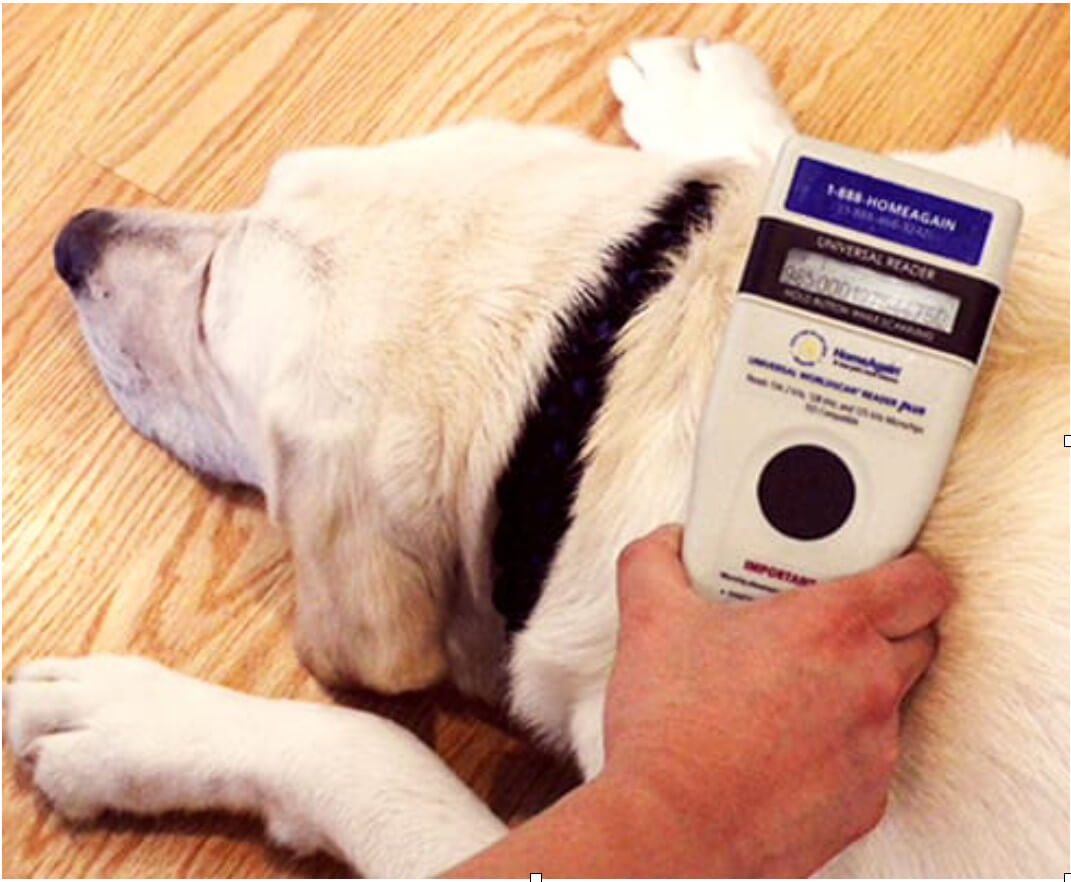
A microchip is not a GPS tracker. It does not show your pet’s location. When someone scans your pet, the scanner displays the chip’s identification number. That number can be used to look up the contact details you have registered with the microchip company.
Registration is essential. After your pet is microchipped, make sure your name and contact information are entered in the registry. Update them whenever you move or change your phone number. A collar with a current ID tag remains another valuable way to help someone contact you quickly.
Why Does Microchipping Matter for Pet Travel?
For many international trips, the microchip number connects your pet to their vaccination records and travel documents. The order of these steps can matter. For example, under certain U.S. entry requirements for dogs that have been in countries at high risk for rabies, the microchip must be implanted before the rabies vaccination used for travel. The same microchip number must appear on the required documents.
Travel rules depend on your pet’s species, destination, travel history, and return route. If you are planning a trip, contact us as early as possible. We can check your pet’s microchip number and vaccination records, review the applicable requirements with you, and identify any timing issues before your departure date.
Already Have a Microchip?
Bring your pet’s microchip number to your next visit. We can scan the chip to confirm that it can be read and help you check whether its number matches the records you plan to use for travel. You should also confirm that your registry contact information is current.
Whether you are preparing for a trip or simply want another way to help protect your pet, we would be glad to talk with you about microchipping. Call us at (561) 964-3144 to get started.